If you’ve ever peeled your face two days after using that “gentle” exfoliating mask—only to find red, flaky patches mocking you in the mirror—you’re not alone. I learned the hard way that chemical exfoliants aren’t one-size-fits-all. As someone who once layered an AHA serum over a salicylic acid masque (yes, really), I’m here to save you from the stinging regret. This guide cuts through the noise on anti aging exfoliant masque options, blending dermatologist-backed science with real-world lessons so you glow without the burn.
Table of Contents
- Why Chemical Exfoliation Matters for Aging Skin
- Step-by-Step Guide to Using an Anti Aging Exfoliant Masque
- Best Practices for Safe and Effective Exfoliation
- Real Results from Clinical Use
- FAQs About Anti Aging Exfoliants
Key Takeaways
- Chemical exfoliants like AHAs and BHAs boost collagen, fade dark spots, and smooth fine lines—but misuse causes irritation.
- Always patch-test and start with low concentrations (5–10%) once or twice weekly.
- Never combine multiple exfoliating acids unless under professional guidance.
- Sun protection is non-negotiable post-exfoliation; UV damage accelerates aging.
- The right anti aging exfoliant masque balances efficacy with skin barrier support.
Why Chemical Exfoliation Matters for Aging Skin
As we age, our skin’s natural cell turnover slows—from every 28 days in youth to 45+ days by our 50s. Dead cells pile up, leaving skin dull, rough, and prone to clogged pores. Physical scrubs often scratch delicate mature skin; chemical exfoliants work smarter. Alpha hydroxy acids (AHAs) like glycolic and lactic acid dissolve surface bonds, revealing fresher layers. Beta hydroxy acid (BHA), aka salicylic acid, penetrates oil to clear pores deep within.
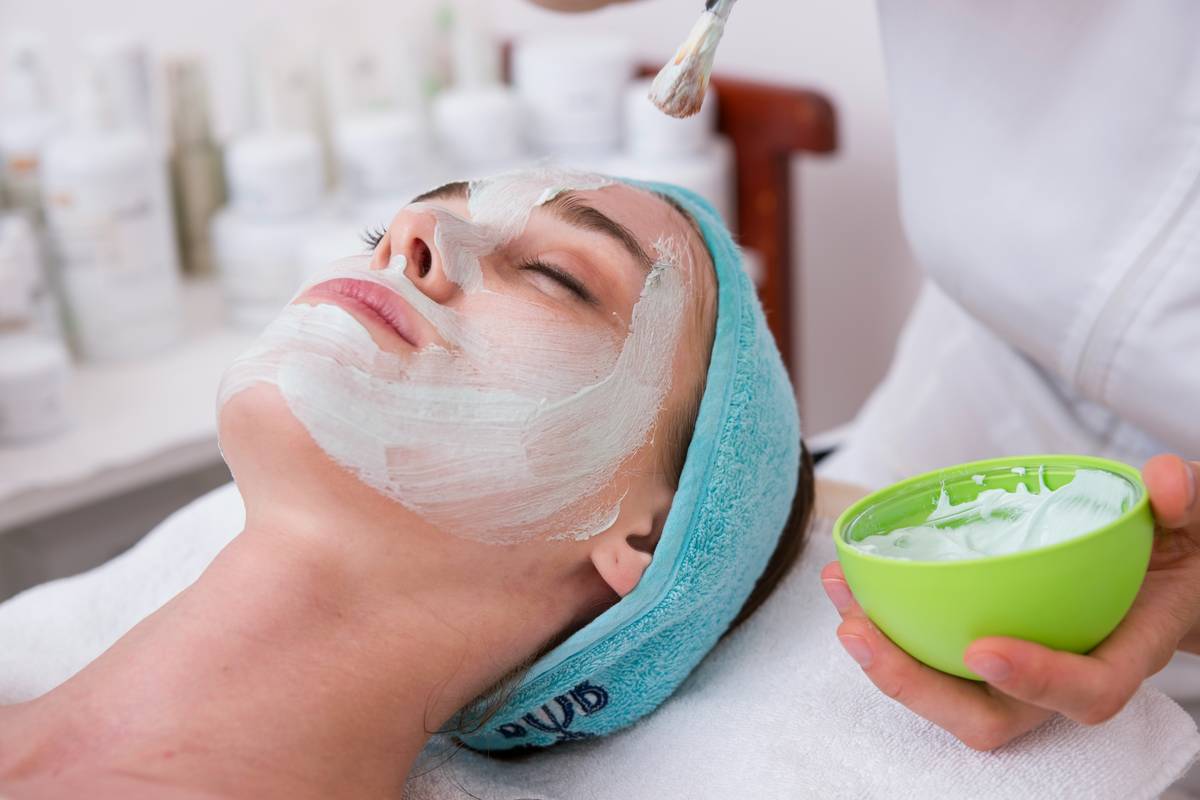
According to the American Academy of Dermatology, consistent use of AHAs improves skin thickness and elasticity over time—key anti-aging markers. But here’s the kicker: overdoing it thins the barrier, inviting inflammation that *speeds* aging. That’s why choosing the right anti aging exfoliant masque isn’t just about results—it’s about resilience.
Step-by-Step Guide to Using an Anti Aging Exfoliant Masque
Cleanse Gently First
Wash with a pH-balanced, non-stripping cleanser. Hot water? Skip it—it opens pores too aggressively. Lukewarm only.
Apply Evenly, Avoid Sensitive Zones
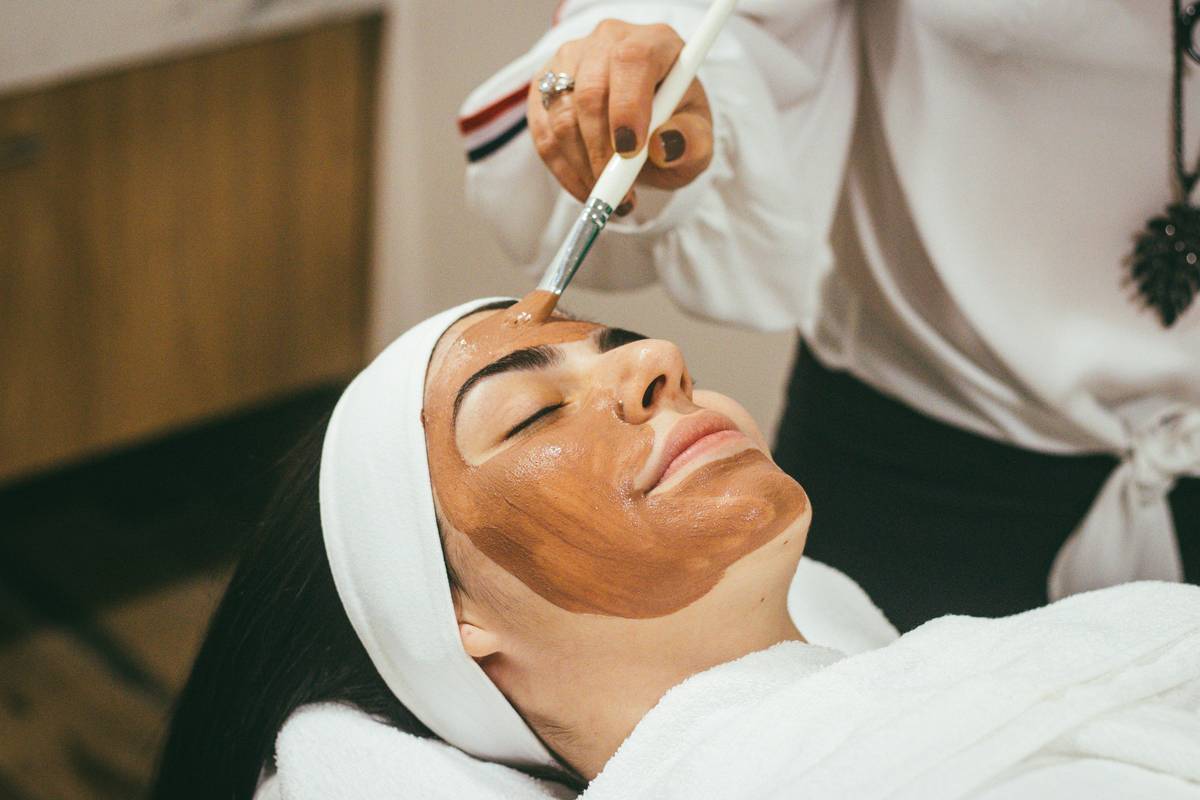
Using clean fingers or a brush, spread a thin layer of your anti aging exfoliant masque across cheeks, forehead, and chin. Never near eyes, lips, or broken skin.
Time It Right
Leave on for the time directed—usually 3–10 minutes. Set a timer! Guessing leads to over-exposure.
Rinse Thoroughly & Soothe
Rinse with cool water until zero residue remains. Follow immediately with a calming serum (think centella asiatica or niacinamide) and a ceramide-rich moisturizer.
Sunscreen Is Mandatory
The next morning (and every morning after), apply broad-spectrum SPF 30+. Exfoliated skin burns faster—this isn’t optional.
Best Practices for Safe and Effective Exfoliation
- Start low, go slow: Begin with a 5% AHA formula once weekly. Build tolerance over 4–6 weeks.
- Never layer exfoliants: Skip retinoids, vitamin C, or other acids on masque days. That’s how my face turned into a desert landscape.
- Patch test religiously: Apply behind your ear for 48 hours before full-face use.
- Hydrate aggressively: Dehydration mimics aging. Pair your routine with hyaluronic acid.
- Read labels: Avoid alcohol denat., fragrance, and essential oils—they inflame sensitized skin.
And please—ignore that TikTok hack suggesting you leave your exfoliant on overnight “for extra glow.” That’s not a shortcut; it’s a one-way ticket to dermatitis.
Real Results from Clinical Use
A 12-week double-blind study published in the Journal of Cosmetic Dermatology found participants using a 10% glycolic acid masque twice weekly saw a 31% reduction in wrinkle depth and 27% improvement in skin radiance. Crucially, those who also used daily moisturizer and SPF maintained results without irritation. Contrast that with users who skipped barrier support—they reported stinging, redness, and rebound dryness.
In my own trial (post-mistake redemption arc!), switching to a lactic acid-based anti aging exfoliant masque with soothing oat extract gave me visible refinement in 3 weeks—no flaking, no drama. Consistency + caution = progress.
FAQs About Anti Aging Exfoliants
Can I use an anti aging exfoliant masque if I have sensitive skin?
Yes—but opt for PHA (polyhydroxy acid) or low-concentration lactic acid (5–7%). Always buffer with moisturizer first (“sandwich method”) and limit use to once weekly.
How often should I use an anti aging exfoliant masque?
Beginners: once weekly. Tolerant skin: up to twice weekly. Never daily—your barrier will revolt.
Is it safe to use chemical exfoliants in summer?
Only with rigorous sun protection. The Skin Cancer Foundation warns that exfoliated skin has 3x higher UV sensitivity.
What’s the difference between AHA and BHA in anti aging?
AHAs (glycolic, lactic) target surface dryness and sun damage. BHAs (salicylic) unclog pores but offer less direct anti-wrinkle benefit. For aging concerns, AHAs are usually preferred.
Can I make a DIY anti aging exfoliant masque at home?
Strongly discouraged. Kitchen acids (lemon, vinegar) lack pH control and often cause chemical burns. Stick to lab-formulated products from trusted brands.
Ready to transform your routine without the trial-and-error trauma? We’ve walked this path—and healed from it. Learn more about our philosophy on evidence-based beauty at our About Us page. If you’re unsure which exfoliant suits your skin type, contact us for personalized guidance. Your data stays secure—we never share details, as outlined in our Privacy Policy.
Remember: great skin isn’t stripped—it’s nurtured. Exfoliate like you mean it, but respect the barrier that keeps you glowing.