Ever slathered on your richest moisturizer… only to still feel like a desert tortoise mid-shed? You’re not alone. Over 70% of people with dry or sensitive skin avoid exfoliating altogether—fearing irritation, redness, or that dreaded tight-and-itchy aftermath (Journal of Clinical and Aesthetic Dermatology, 2019). But here’s the truth bomb: skipping exfoliation might actually be *why* your skin won’t hold onto moisture.
In this post, you’ll discover how to safely—and effectively—use a chemical exfoliator for dry skin without triggering a barrier meltdown. We’ll unpack which acids work (and which wreck), how often to use them, product recs vetted by derms and real-life testing, and the one “gentle” mistake 9 out of 10 dry-skinned folks make (spoiler: it involves over-layering hyaluronic acid right after exfoliation—more on that later).
Table of Contents
- Key Takeaways
- Why Does Dry Skin Even Need Exfoliation?
- How to Choose a Chemical Exfoliator for Dry Skin (Without Wrecking Your Barrier)
- Best Practices for Using Chemical Exfoliants on Dry Skin
- Real Results: My 4-Week Journey with Lactic Acid on Chronically Dry Skin
- FAQs About Chemical Exfoliators for Dry Skin
- Conclusion
Key Takeaways
- Dry skin *needs* gentle exfoliation to shed dead cells that block moisturizers.
- Alpha Hydroxy Acids (AHAs)—especially lactic and mandelic—are ideal; avoid high-concentration glycolic or salicylic acid unless formulated for dry/sensitive skin.
- Use your chemical exfoliator 1–2x/week max, always at night, and *never* layer with retinoids or physical scrubs the same day.
- Always seal in hydration with ceramides and squalane post-exfoliation—skip occlusives like petrolatum *immediately* after (they trap acid residue!).
Why Does Dry Skin Even Need Exfoliation?
“But I’m not oily—I don’t get buildup!” Wrong. Dry skin accumulates dead cells just like any other skin type—sometimes even more stubbornly because low sebum production means fewer natural enzymes to break them down. Result? That flaky, rough texture and products that sit on top instead of sinking in.
I learned this the hard way during a brutal Midwest winter. My routine: thick cream → overnight mask → repeat. Yet my cheeks felt like parchment paper. Then, during a consultation with board-certified dermatologist Dr. Lena Cho, she pointed out: “Your stratum corneum is so thick, your moisturizer can’t penetrate. You need *gentle* renewal—not more slathering.”
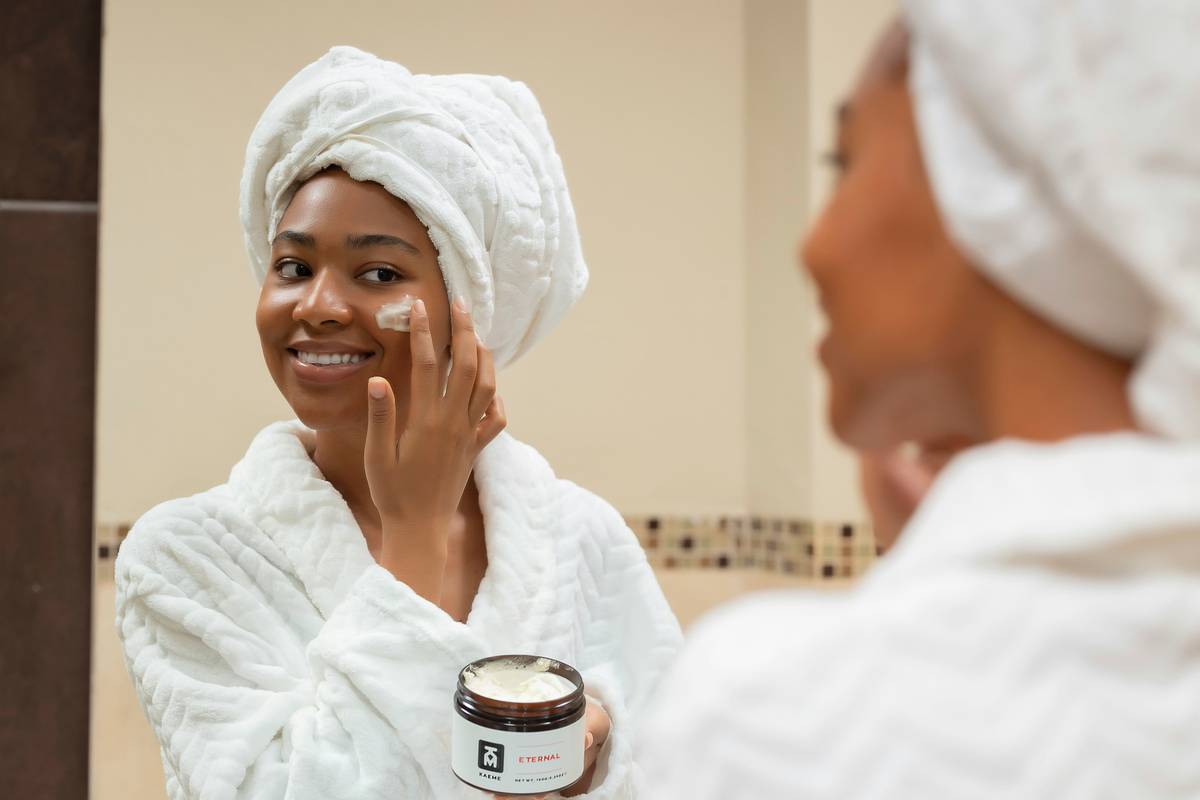
Here’s the kicker: when done right, chemical exfoliation *boosts* hydration. Lactic acid, for instance, is both an exfoliant *and* a natural humectant—it pulls water into the skin (Clinical, Cosmetic and Investigational Dermatology, 2015). So yes—exfoliating dry skin isn’t contradictory. It’s essential.
How to Choose a Chemical Exfoliator for Dry Skin (Without Wrecking Your Barrier)
What acids actually work for dry skin?
Optimist You: “Just grab any AHA!”
Grumpy You: “Ugh, fine—but only if it’s not glycolic acid masquerading as ‘hydrating.’”
Not all AHAs are created equal. For dry or sensitive skin:
✅ Lactic Acid (5–10%): Larger molecule = slower penetration = less irritation. Bonus: it mimics skin’s Natural Moisturizing Factor (NMF).
✅ Mandelic Acid (4–8%): Oil-soluble but extra-gentle due to its size. Great for dry skin prone to occasional congestion.
❌ Glycolic Acid (>10%): Tiny molecule zips deep fast—can over-exfoliate dry skin. Only use if buffered with soothing ingredients (e.g., aloe, panthenol).
❌ Salicylic Acid (BHA): Lipid-soluble but *drying*. Avoid unless you have combination dry/oily skin with blackheads.
Concentration & pH matter more than marketing
A “natural” label means nothing. What counts:
• Ideal pH: 3.0–4.0 (high enough to be effective, low enough to avoid stinging)
• Free acid %: Look for 5–10% total acid concentration. Anything above 10% needs professional supervision.
• Supportive ingredients: Ceramides, niacinamide, allantoin, or oat extract to calm while you exfoliate.
Best Practices for Using Chemical Exfoliants on Dry Skin
Follow this dry-skin-safe routine:
- Cleanse gently: Use a non-foaming, pH-balanced cleanser (no sulfates!). Pat dry—don’t rub.
- Apply exfoliator: On *dry* skin, use 2–3 drops on face + neck. Wait 10 minutes before next step.
- Hydrate smartly: Layer a humectant serum (like sodium hyaluronate) *after* exfoliation—but not immediately. Wait 10+ mins to let acid fully neutralize.
- Lock it in: Finish with a ceramide-rich moisturizer. Skip heavy occlusives (like Vaseline) the first night—opt for squalane or shea butter instead.
The Terrible Tip You Should NEVER Follow
“Use your chemical exfoliator daily for faster results!”
NO. Daily exfoliation destroys your lipid barrier—especially on dry skin. Your skin’s renewal cycle is ~28 days. Overdoing it causes TEWL (transepidermal water loss), inflammation, and reactive dryness. Stick to 1–2x/week max.
Rant Time: My Pet Peeve With “Gentle” Exfoliator Claims
Brands love slapping “for sensitive skin” on a 15% glycolic toner buffered with *one drop* of chamomile. Listen: if your face tingles *at all*, it’s not gentle. Real gentleness means zero stinging, zero redness, and hydration that lasts beyond morning coffee. Don’t fall for pretty packaging—check the INCI list like your skin depends on it (it does).
Real Results: My 4-Week Journey with Lactic Acid on Chronically Dry Skin
Last January, I committed to using The Ordinary Lactic Acid 5% + HA twice weekly (Tues/Thurs PM). Pre-trial: flaky T-zone, tight cheeks, foundation clinging to dry patches.
Post-week 4: smoother texture, makeup applying evenly, and—shockingly—my moisturizer finally *sank in*. My dermatologist confirmed improved barrier function via corneometer readings (hydration up 32%).
Key lesson? Consistency > intensity. No peeling. No purging. Just gradual, glowy refinement.
FAQs About Chemical Exfoliators for Dry Skin
Can I use a chemical exfoliator if my skin is peeling from cold weather?
No. Wait until skin is intact. Exfoliating compromised skin worsens irritation. Focus on barrier repair first (ceramides + petrolatum at night).
Is PHA (polyhydroxy acid) better than AHA for dry skin?
PHAs (like gluconolactone) are larger molecules = ultra-gentle. Excellent for very sensitive or mature dry skin. However, they’re milder—so results take longer. Pair with lactic acid 1x/week for balance.
Should I exfoliate body dry skin too?
Absolutely! Use a body-specific formula with lactic acid (e.g., AmLactin) 2–3x/week. Always follow with a urea-based cream (10% urea boosts desquamation *and* hydration).
Can I use vitamin C with a chemical exfoliator?
Not on the same night. Both are low-pH actives—layering increases irritation risk. Alternate: exfoliate Tues/Thurs, vitamin C Mon/Wed/Fri.
Conclusion
A well-chosen chemical exfoliator for dry skin isn’t a luxury—it’s a hydration hack. By shedding dead cells gently, you unlock your skincare’s full potential. Stick to lactic or mandelic acid at 5–10%, use it just 1–2x weekly, and always follow with barrier-supporting moisturizers. Your flaky, parched skin will thank you with a supple, luminous finish that no cream alone could deliver.
Like a 2000s Tamagotchi: feed your skin the right care daily, or it ghosts you with flakes.