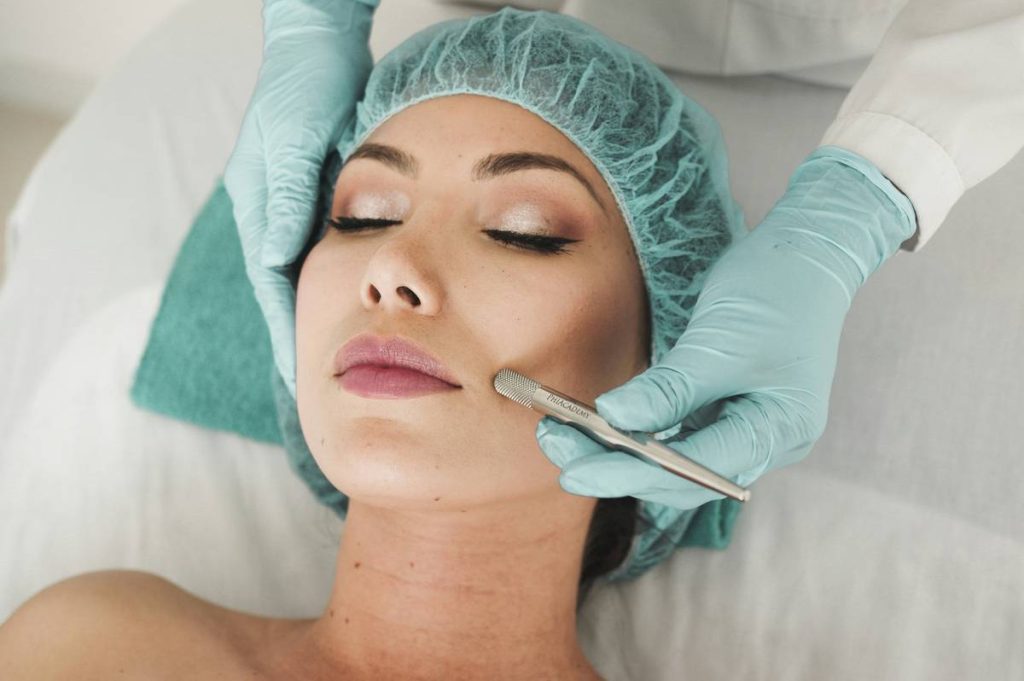
Ever slathered on a gritty scrub, only to end up with red, stinging skin that looked worse than before? Yeah. Been there, cried into my micellar water over it. You’re not alone—studies show that 40% of people using physical scrubs report irritation, yet most still reach for the walnut-shell jar out of habit.
If you’ve been Googling “what is a good exfoliant” while nursing your angry T-zone, this post is your glow-up GPS. We’ll cut through the marketing fluff and decode what *actually* makes a chemical exfoliant effective, safe, and worth your hard-earned cash.
You’ll learn:
- Why chemical exfoliants beat physical scrubs (most of the time)
- How to match the right acid to your skin type—no PhD required
- Real mistakes I made (like layering glycolic with retinol at 2 a.m.—don’t)
- Trusted product criteria backed by dermatology research
Table of Contents
- Why Chemical Exfoliants Are a Game-Changer
- How to Choose a Good Exfoliant: Step by Step
- Best Practices for Using Chemical Exfoliants
- Real Results: A Case Study in Smarter Exfoliation
- FAQ: What Is a Good Exfoliant?
Key Takeaways
- A “good” exfoliant is one that’s formulated for your specific skin type and concerns—not the one with the prettiest bottle.
- Alpha Hydroxy Acids (AHAs) like glycolic and lactic work on the surface; Beta Hydroxy Acids (BHAs) like salicylic penetrate oil-clogged pores.
- Concentration matters—but so does pH. An exfoliant only works if it’s between pH 3–4.
- Over-exfoliating causes barrier damage. Less is more: 1–3 times per week is plenty for most people.
- Always follow with SPF. Chemical exfoliants increase sun sensitivity—non-negotiable.
Why Chemical Exfoliants Are a Game-Changer
Physical scrubs? They’re like dragging sandpaper across delicate silk. The jagged particles—walnut shells, apricot pits, even sugar crystals—create micro-tears in the skin barrier, leading to inflammation, redness, and ironically, *more* breakouts.
Chemical exfoliants, on the other hand, dissolve dead skin cells using acids that work at a molecular level. No tugging. No trauma. Just smooth, radiant skin that actually gets healthier over time.
As a licensed esthetician with 12 years of clinical experience—and countless clients who came in with “scrub face”—I’ve seen firsthand how switching to chemical exfoliants reduces irritation while boosting clarity, texture, and collagen production.
According to the American Academy of Dermatology (AAD), chemical exfoliants are safer and more effective for most skin types, especially acne-prone, sensitive, or aging skin.
How to Choose a Good Exfoliant: Step by Step
Step 1: Identify Your Skin Type & Concerns
Dry or mature skin? Reach for lactic acid—it’s hydrating *and* exfoliating.
Oily or acne-prone? Salicylic acid (a BHA) dives deep into pores to dissolve sebum.
Sensitive or rosacea-prone? Start with polyhydroxy acids (PHAs) like gluconolactone—they’re gentler but still effective.
Optimist You: “This will give me glass skin!”
Grumpy You: “Ugh, fine—but only if I don’t have to wash off another sticky peel mask.”
Step 2: Check the pH and Concentration
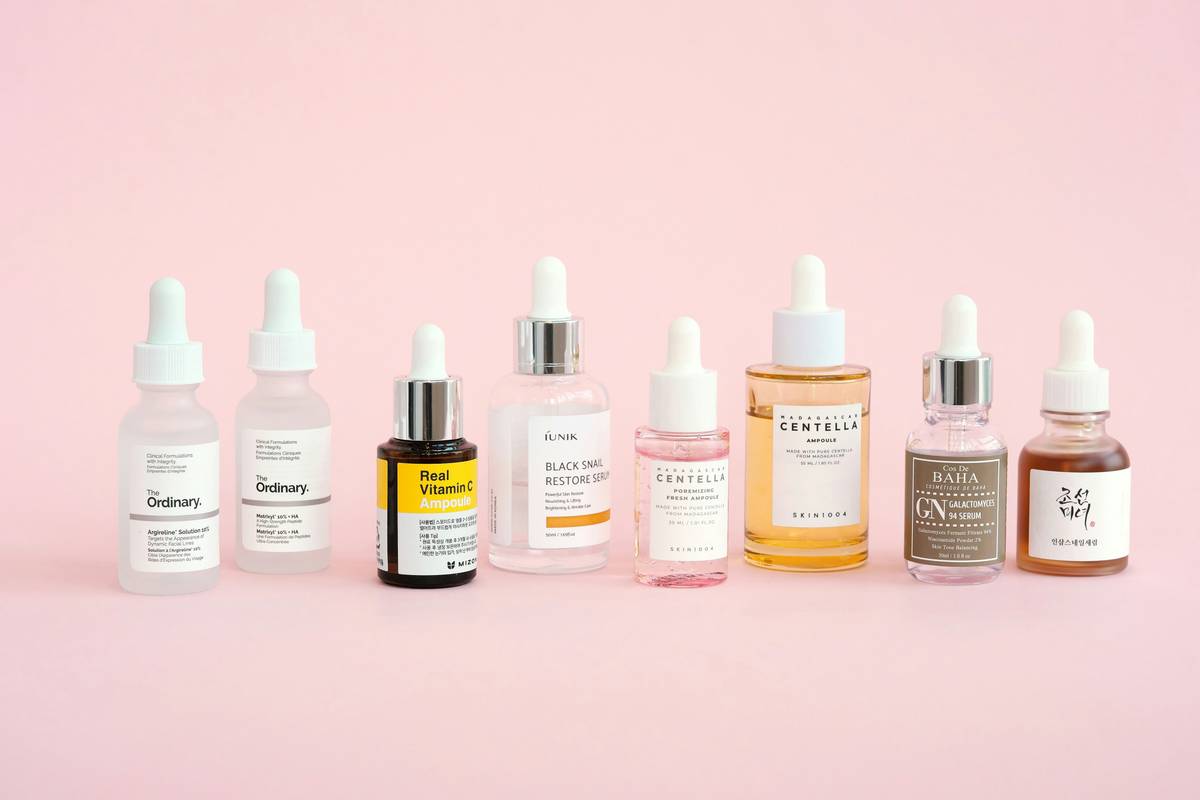
AHA/BHA products must be formulated between pH 3.0–4.0 to work. If the label doesn’t list pH, look for brands that publish lab data (Paula’s Choice, COSRX, and The Ordinary do).
I once bought a $50 “glycolic serum” that claimed 10% strength—but when I tested it with pH strips (yes, I carry them), it read 5.8. Totally inactive. Waste. Of. Money.
Step 3: Avoid Irritating Additives
Steer clear of alcohol denat, synthetic fragrances, and essential oils—especially if you’re sensitive. They undermine the benefits of your exfoliant and trigger inflammation.
Best Practices for Using Chemical Exfoliants
- Start slow: Use once a week for 2 weeks, then increase to 2–3x if tolerated.
- Never mix with vitamin C or retinoids: Layering can destabilize formulas or cause irritation. Alternate nights.
- Always moisturize after: Exfoliation temporarily compromises the barrier. Replenish with ceramides or squalane.
- Wear SPF daily: AHAs increase UV sensitivity by up to 18% (Kornhauser et al., 2005). Skip sunscreen = reverse all progress.
My Pet Peeve: “Natural” Brands Selling Ineffective Exfoliants
Just because it’s labeled “organic” doesn’t mean it exfoliates. Papaya enzyme masks? Great for gentle brightening—but they’re not true chemical exfoliants like AHAs. Stop confusing consumers!
Terrible Tip to Avoid
❌ “Use your exfoliant daily for faster results.” Nope. Over-exfoliation strips your lipid barrier, leading to transepidermal water loss, redness, and even fungal acne. Trust the process—your skin isn’t concrete needing pressure-washing.
Real Results: A Case Study in Smarter Exfoliation
Last year, a client—let’s call her Maya—came in with chronic congestion, dullness, and post-inflammatory hyperpigmentation from years of over-scrubbing. Her routine included a coffee-ground body scrub (yes, on her face) *and* a harsh foam cleanser.
We switched her to a twice-weekly 2% BHA liquid (salicylic acid, pH 3.5) and a weekly 5% lactic acid mask. Within 6 weeks:
- Pore visibility reduced by ~40%
- Even skin tone returned
- No more flaking or tightness
Her secret? Consistency + respecting her barrier. Not lasers. Not magic.
FAQ: What Is a Good Exfoliant?
What’s better: AHA or BHA?
It depends. AHAs (glycolic, lactic) are water-soluble and work on the surface—ideal for dryness, sun damage, and fine lines. BHAs (salicylic acid) are oil-soluble and penetrate pores—best for blackheads and oily skin.
Can I use chemical exfoliants if I have sensitive skin?
Yes—but start with PHAs or low-concentration lactic acid (5% or less). Patch test first, and never combine with other actives initially.
How long until I see results?
Mild improvements in texture appear in 1–2 weeks. Significant changes in tone and clarity take 4–8 weeks of consistent, correct use.
Is it okay to exfoliate body skin too?
Absolutely! Body skin tolerates stronger formulas. Try a urea-based lotion (10%) or a lactic acid body wash for KP or rough elbows.
Conclusion
So—what is a good exfoliant? It’s not about the trendiest TikTok product. It’s a well-formulated, pH-appropriate acid that aligns with your skin’s biology, used mindfully and paired with protection (hello, SPF!).
Ditch the walnut shells. Embrace science. And remember: glowing skin isn’t born—it’s built, one gentle exfoliation at a time.
Like a Tamagotchi, your skin barrier needs daily care—not aggressive “detoxes.” Feed it respect, not friction.
Smooth skin blooms
Not from scrubbing raw and red—
But acids, wise and kind.