Ever slathered on a peel so strong your face looked like a sunburnt lobster—three days later? Yeah. I’ve been there. Twice. Once after misreading a “professional-strength” glycolic label like I was speed-scrolling TikTok at 2 a.m. My skin didn’t just sting—it screamed.
If you’re Googling “what is the strongest chemical exfoliant,” you’re likely wrestling with stubborn texture, deep acne scars, or that frustrating layer of dullness no scrub can fix. But here’s the truth bomb: “Strongest” doesn’t always mean “best.” In fact, it often means “most likely to wreck your moisture barrier.”
In this guide, we’ll cut through the influencer hype and lab-coat jargon to reveal:
- Which chemical exfoliants actually top the potency charts
- Who should (and absolutely shouldn’t) use them
- How to harness power without triggering redness or peeling
- Real-world protocols that deliver results—not regrets
As a licensed esthetician who’s formulated clinical peels and repaired countless over-exfoliated faces, I’ll blend science with hard-won experience. No fluff. Just clarity.
Table of Contents
- Key Takeaways
- Why “Strongest” Doesn’t Mean “Best” for Your Skin
- Step-by-Step: Choosing & Using High-Potency Exfoliants Safely
- 7 Best Practices for Maximizing Results Without Wrecking Your Barrier
- Real Skin Case Study: From Over-Exfoliated Wreck to Radiant Recovery
- FAQs About Strong Chemical Exfoliants
- Final Thoughts
Key Takeaways
- The strongest chemical exfoliant is trichloroacetic acid (TCA), used in medium-depth peels by dermatologists.
- Over-the-counter (OTC) strongest options include high-concentration glycolic acid (up to 10%) and PHA blends—but strength depends on pH, concentration, and formulation.
- Using overly strong exfoliants without proper prep leads to barrier damage, inflammation, and hyperpigmentation—especially in melanin-rich skin.
- Always patch-test, start low (5% or less), and never layer multiple exfoliants.
- Professional peels offer controlled strength; DIY “maximum strength” routines rarely beat clinical precision.
Why “Strongest” Doesn’t Mean “Best” for Your Skin
Let’s get real: the quest for the strongest chemical exfoliant usually starts with frustration. You’ve tried scrubs, toners, even $80 serums—and your skin still looks tired, bumpy, or shadowed by post-acne marks. You assume more power = faster results. But skin biology doesn’t work like a volume knob.
Chemical exfoliants fall into three main families: AHAs (alpha hydroxy acids), BHAs (beta hydroxy acids), and PHAs (polyhydroxy acids). Their “strength” depends on:
- pH level (lower = more active free acid)
- Concentration (% in formula)
- Molecular size (smaller = deeper penetration)
- Buffering agents (like in buffered glycolic vs. free acid)
For example, a 10% glycolic acid product at pH 3.0 delivers far more active acid than a 10% glycolic at pH 4.5. That’s why ingredient lists alone lie.
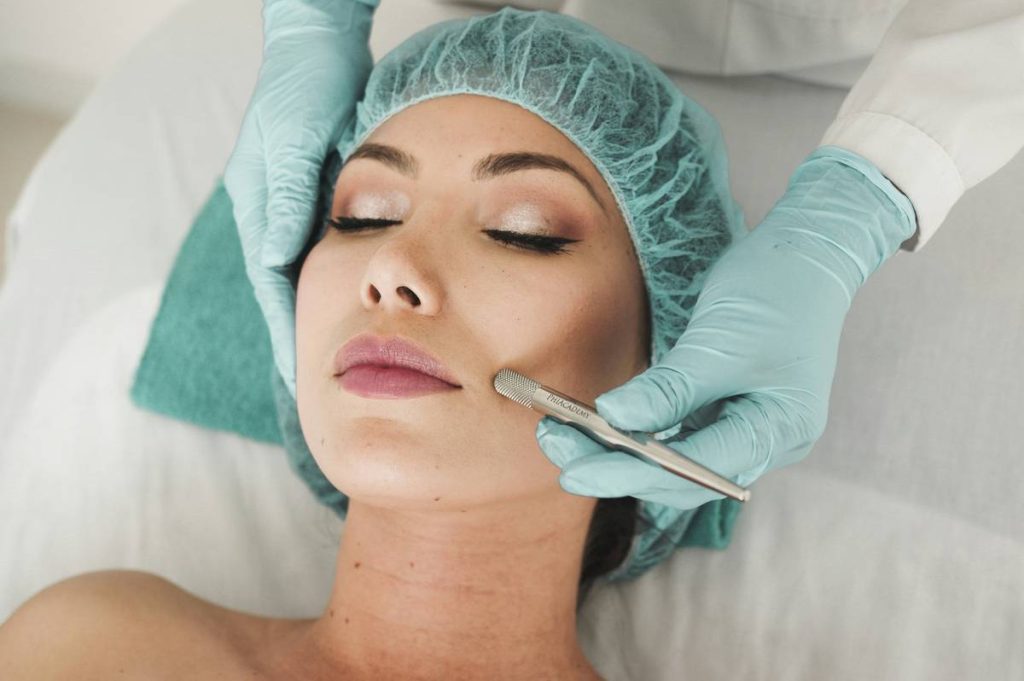
In professional settings, **trichloroacetic acid (TCA)** is the undisputed heavyweight. Used in concentrations from 10–35%, TCA peels penetrate into the papillary dermis, effectively treating deep wrinkles, scars, and severe photodamage (Journal of Clinical and Aesthetic Dermatology, 2014). But OTC? You won’t find it—because it’s that potent.
Grumpy You: “So I can’t just buy ‘industrial-strength’ glycolic on Amazon and fry my face?”
Optimist You: “You could… but your future self will curse you while applying ceramide balm at 3 a.m.”
Step-by-Step: Choosing & Using High-Potency Exfoliants Safely
Who Should Consider Strong Exfoliants?
You might benefit from higher-strength acids if you have:
- Thick, resilient skin (often Type III–VI on Fitzpatrick scale)
- Stubborn keratosis pilaris or body acne
- Persistent dullness unresponsive to 5–7% AHAs/BHAs
But if you have rosacea, eczema, or active breakouts? Proceed with extreme caution—or skip altogether.
How to Test & Introduce Without Disaster
- Start with OTC maxes: Use 10% glycolic or 2% salicylic acid 1x/week for 2 weeks.
- Never layer exfoliants: No vitamin C + AHA, no retinol + BHA. Pick one active per evening.
- Check pH: Ideal range for glycolic: 3.0–3.8; salicylic: 3.0–4.0. Use pH strips if unsure.
- Buffer if sensitive: Apply moisturizer before exfoliant (“buffering”) to reduce penetration.
- Post-peel protocol: Use only fragrance-free, ceramide-rich moisturizers + SPF 50+ daily.
Confessional Fail: I once layered 10% glycolic with prescription tretinoin during a humid Miami summer. My cheeks peeled like sunburnt snakeskin for five days. Lesson? Potency compounds fast.
7 Best Practices for Maximizing Results Without Wrecking Your Barrier
- Avoid “maximum strength” marketing traps: Brands love slapping “clinical strength” on bottles—but FDA doesn’t regulate that term.
- Body ≠ Face: You can safely use 15–20% lactic or glycolic on elbows/knees (thicker skin).
- Season matters: Skip high-potency exfoliants in winter (low humidity = barrier stress).
- Listen to your skin: Stinging ≠ working. Redness lasting >2 hours = stop immediately.
- Hydrate internally: Drink water. Dehydrated skin reacts worse to acids.
- Sunscreen is non-negotiable: AHAs increase UV sensitivity by up to 18% (per Dermatologic Surgery, 1998).
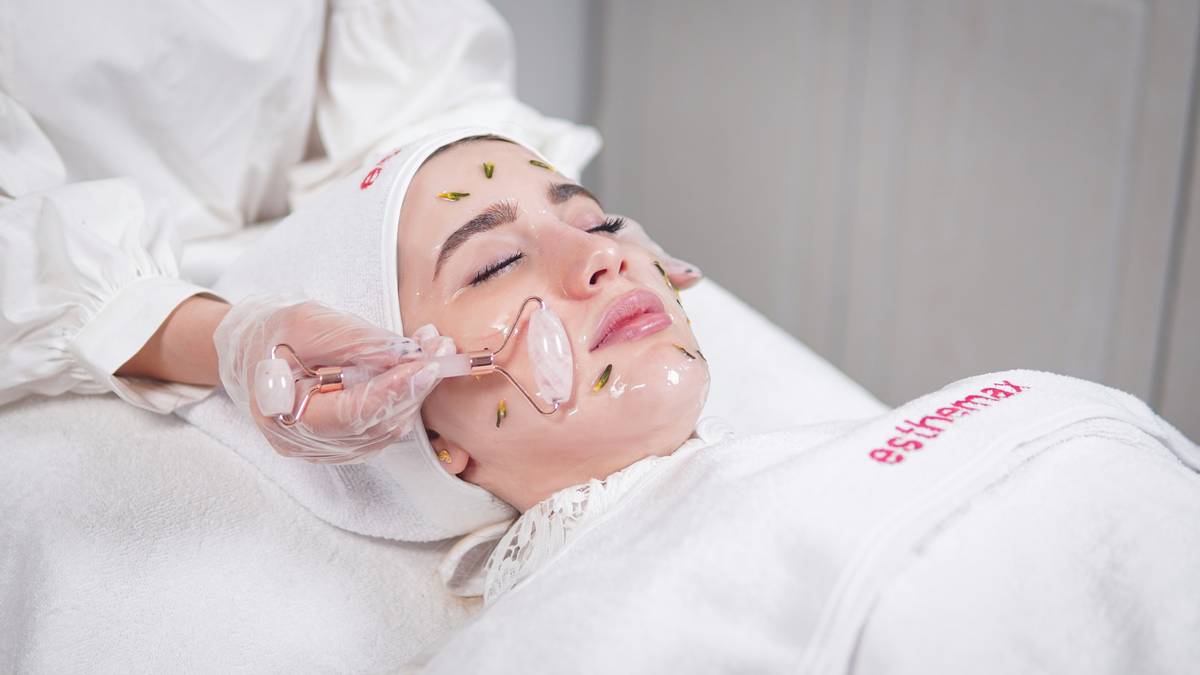
- Professional > DIY: A 20% TCA peel from a derm beats 3 months of risky home experiments.
Real Skin Case Study: From Over-Exfoliated Wreck to Radiant Recovery
Patient: 28F, Fitzpatrick IV, history of cystic acne
Mistake: Used 15% “at-home glycolic peel” 3x/week + daily salicylic cleanser
Result: Compromised barrier, persistent redness, post-inflammatory hyperpigmentation (PIH)
Recovery Protocol (12 weeks):
- Weeks 1–4: Zero exfoliants. Only ceramide cream + zinc oxide SPF 50.
- Weeks 5–8: Reintroduced 5% lactic acid 1x/week (PHA-based, pH 4.0).
- Weeks 9–12: Added professional 15% TCA spot peel on scars (single session, derm-supervised).
Outcome: 80% reduction in PIH, restored barrier function, smoother texture—without further irritation.
Moral? Controlled strength > brute force.
FAQs About Strong Chemical Exfoliants
Is glycolic acid stronger than salicylic acid?
Glycolic (an AHA) exfoliates the surface more aggressively due to its small molecular size. Salicylic (a BHA) penetrates oil-filled pores but is generally gentler on the surface. Neither is universally “stronger”—it depends on your goal.
Can I use strong exfoliants if I have dark skin?
Yes—but with extreme caution. Melanin-rich skin is prone to PIH from irritation. Stick to lower concentrations (5–7% AHAs), avoid high-strength peels without a dermatologist, and always use SPF.
What’s the strongest OTC exfoliant available?
Most countries cap OTC glycolic at 10% and salicylic at 2%. Some brands (like The Ordinary or Paula’s Choice) offer 10% glycolic formulas at optimal pH (~3.5), making them among the strongest safe-for-home options.
How often should I use a strong exfoliant?
Once weekly max for high-potency acids. If using professional peels (like 20–30% TCA), space treatments 4–6 weeks apart.
Final Thoughts
So, what is the strongest chemical exfoliant? Technically, it’s TCA—but for most of us, the smartest exfoliant is the one matched to our skin type, goals, and tolerance. Respect your barrier. Patch-test religiously. And remember: glowing skin isn’t born from aggression—it’s nurtured through consistency and care.
Now go forth—exfoliate wisely, not wildly.
Like a flip phone in 2003, your skin deserves intentional care—not blind trend-chasing.